Harry Brook – Biography
Early Life and Background
Childhood in Yorkshire
Harry Brook grew up with the horizons of Yorkshire in his window and a bat in his hands. Born on February 22, 1999, he was introduced early to village-green cricket and long afternoons of practice where rhythm mattered more than numbers. The county’s deep cricket heritage shaped him: the accents around him were Yorkshire, the posters on his wall were England greats, and the local club nets were his first proving ground. That setting explains a lot about the sports career of harry brook: grounded, competitive, and quietly relentless.
From schoolboy matches to Sunday league fixtures, Brook was the kid who always wanted one more throwdown, one more bucket of balls. Coaches remember the discipline, the tidy back-lift, the fast hands through the line, and the willingness to bat wherever the team needed. Long before “harry brook stats” meant anything to casual fans, he was logging invisible hours in the shadows—perfecting timing, learning patience, and absorbing the county professionalism that would later define his temperament.
First Steps in Cricket
Early coaching focused on simple repetitions: playing late, hitting straight, and mastering the red-ball basics. He learned to work both sides of the wicket, push hard between the stumps, and value his wicket over milestones. Those first steps in harry brook cricket weren’t about highlight-reel shots; they were about learning how to win sessions. The result was a solid technical base that let him climb each rung quickly: club age-groups, county junior squads, then academy cricket. Teammates noticed how naturally he adapted to higher speeds and better attacks, rarely looking rushed.
Even as a teenager he showed traits that would later suit international dressing rooms: he listened, he adjusted, and he competed with quiet intensity. The boy who loved county summers became the young pro who expected to contribute every week. That hunger carried him into elite environments without losing the joy that first drew him in.
Path to Professional Cricket
Youth and Academy Career
The Yorkshire pathway is famously demanding. Brook took to it with a mix of curiosity and grit. In academy cricket, he learned to expand his scoring areas—especially the punch through cover and the pick-up over midwicket—and to survive tricky morning spells. He also learned what coaches call “match tempo”: knowing when to absorb pressure and when to counterpunch. Those lessons matter more than any single number on a scoreboard and underpin the harry brook career we see today.
England Under-19 involvement sharpened those instincts. Touring, rotating formats, and facing different conditions accelerated his growth. He learned to build an innings on slow pitches, to trust the sweep, and to cash in when set. If you’re scanning harry brook stats at youth level, you’ll find productive stretches that hinted at a senior breakout, but the bigger story is how quickly he translated training-ground skills into match influence.
Breakthrough at Yorkshire
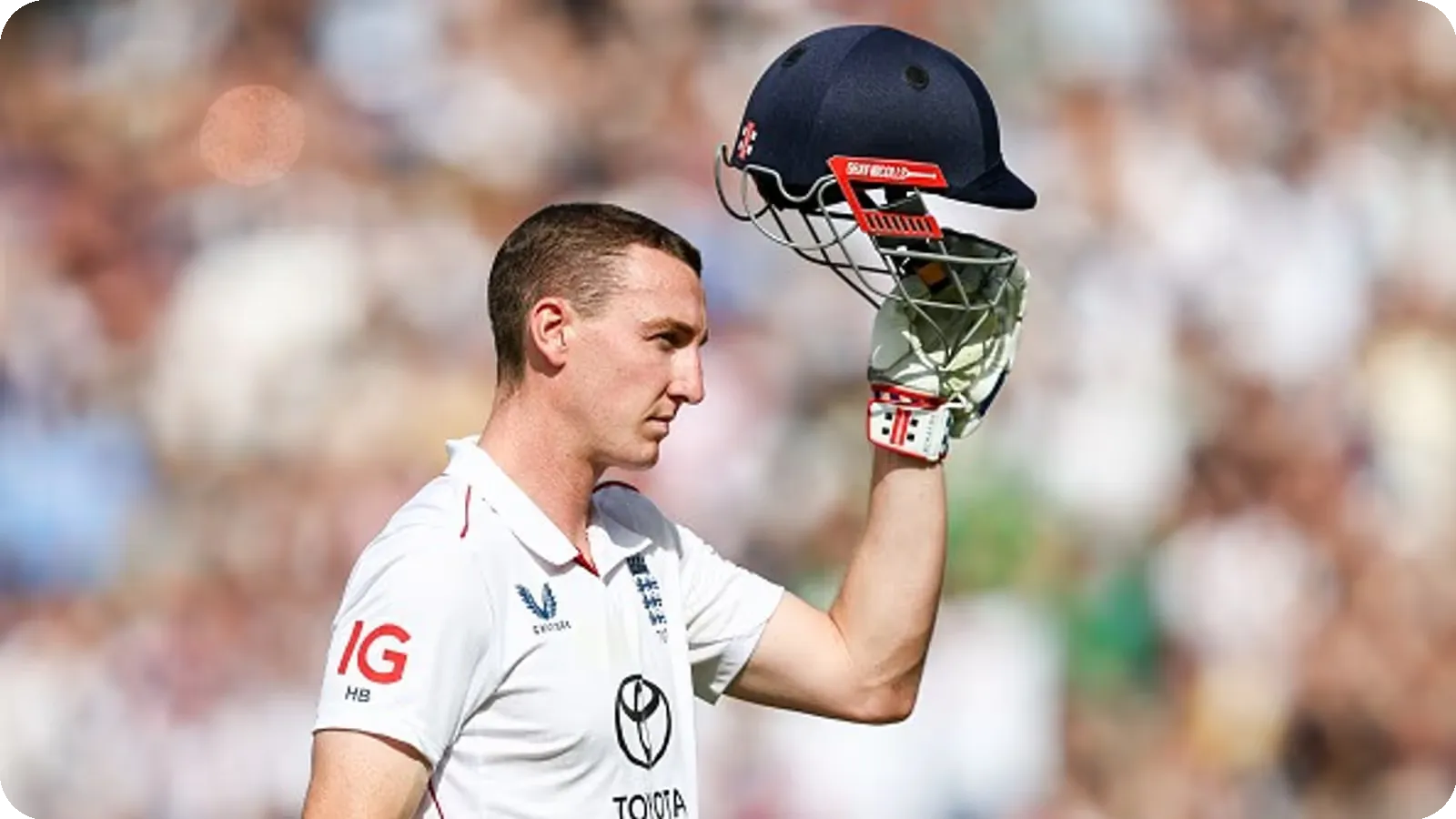
Brook’s senior debut for Yorkshire was less about arriving with a bang and more about settling in with maturity. He played innings that mattered—innings that steadied wobbles, nursed partnerships, or flipped momentum after lunch. As the seasons rolled, he added layers: more authority through point, cleaner pickup over long-on, better strike rotation. County old hands noticed the absence of fuss; he didn’t chase noise, he chased moments. That run of competence and occasional brilliance propelled him from promising youngster to first-team mainstay.
By then, the phrase harry brook cricket meant a batter you could trust across conditions. He kept his game simple: bat long in the Championship, play the percentages in white-ball, and never waste a start. The county stage also taught resilience—dry spells, green tops, and class seamers—and that grounding would serve him well when the England call arrived.
International Debut and Rise
Entry into the England Team
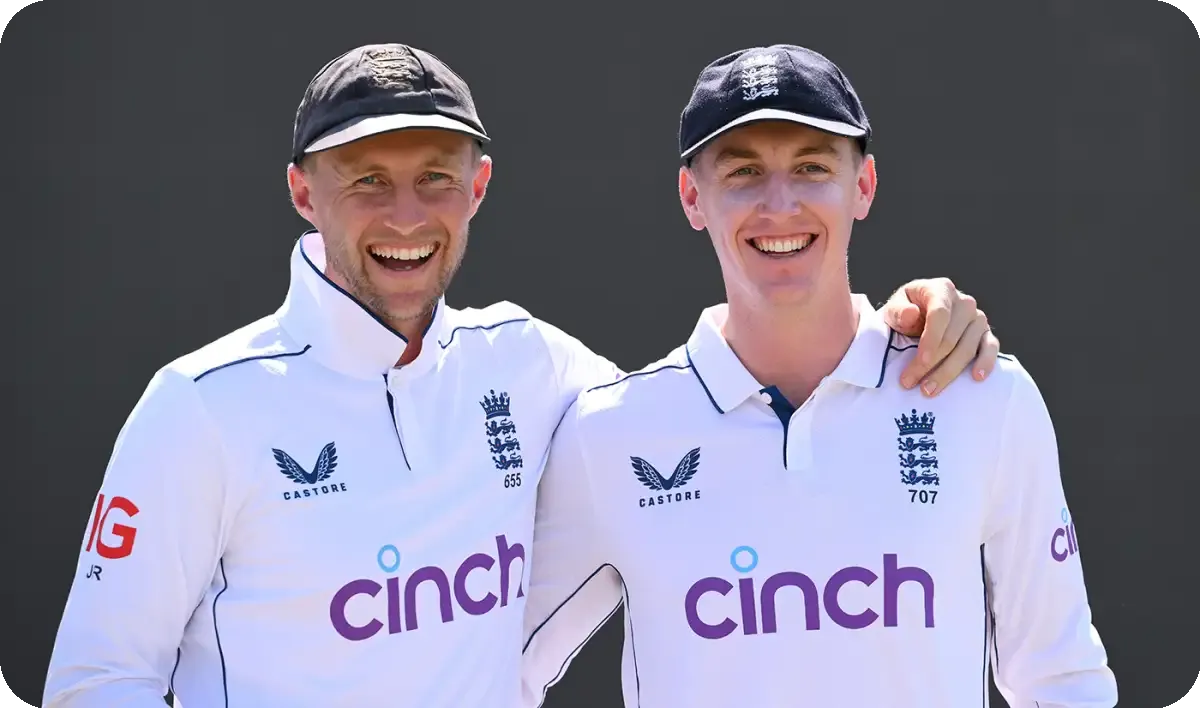
Brook’s entry into England’s setup came during a period of renewed ambition in the Test side. The environment demanded positive intent, quick learning, and courage under lights; he fit naturally. He brought with him the county virtues—discipline, compact technique—and layered on controlled aggression. The early international days were a blur of net sessions, team meetings, and hard cricket, but his calm presence made the transition look smooth.
Fans searching for harry brook age often do so to contextualize his maturity: as of August 22, 2025, he is 26. That’s young for the volume of pressure games he has already logged. He has been trusted to bat in pivotal positions, to set the pace of a day, and to turn a 40 into a match-shaping 120. The selectors’ faith, coupled with a modern, front-foot philosophy, unlocked his natural intent.
Early Success in Tests, ODIs, and T20Is
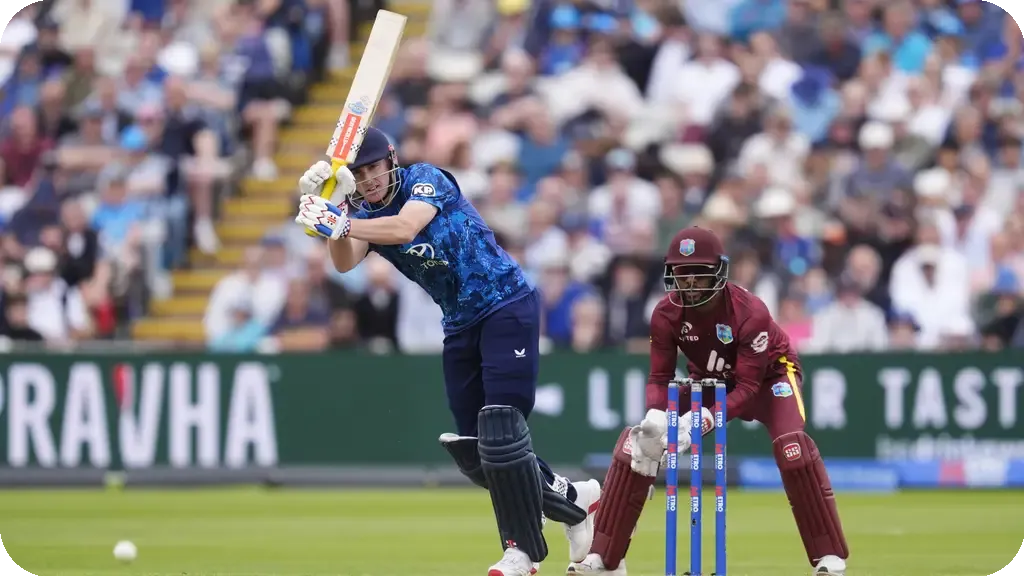
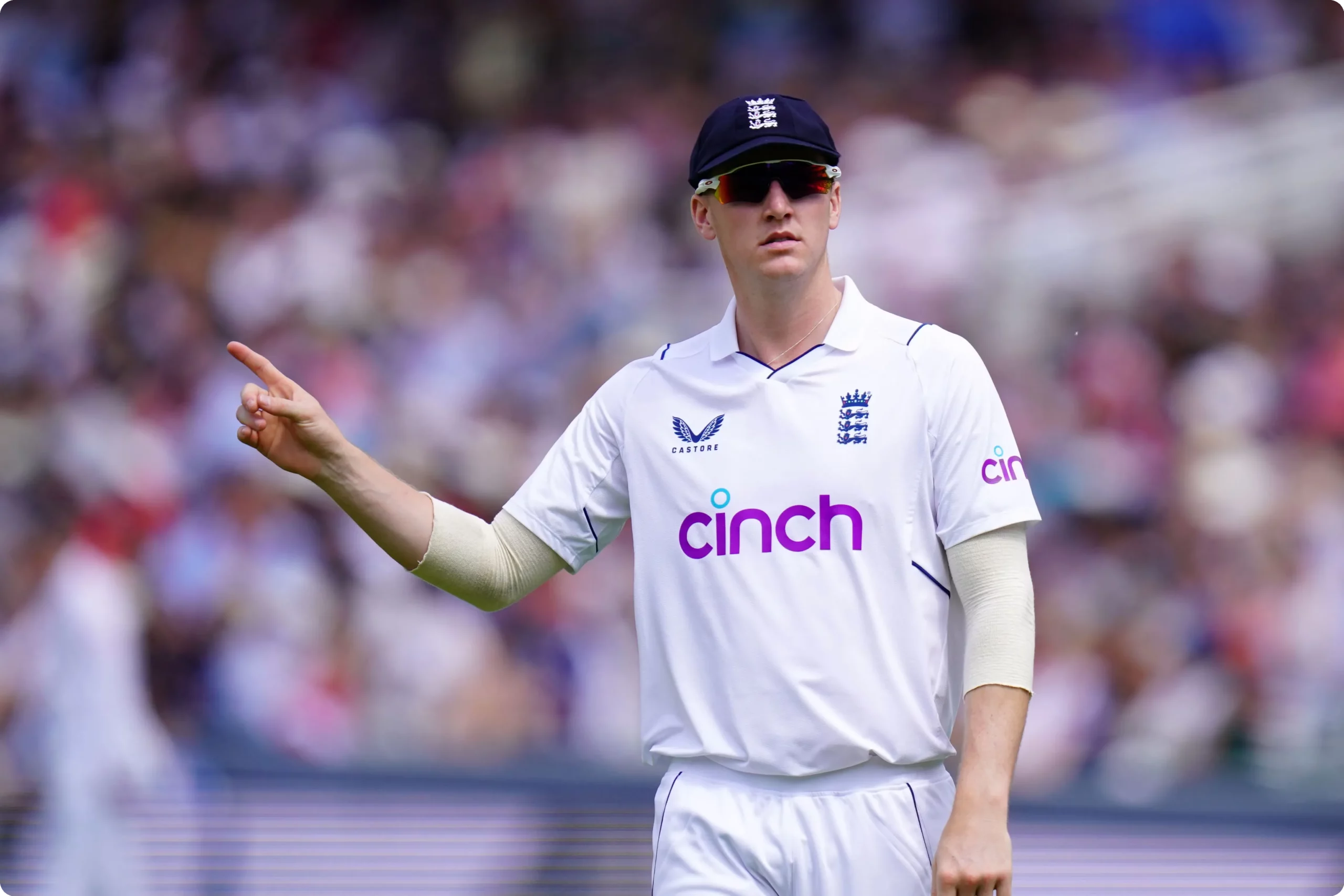
If you frame the early chapter of the harry brook test career, it reads like a case study in timing the counterattack. He’s particularly adept at shifting fields by piercing extra cover and whipping anything fractionally straight. His best days in whites have showcased tempo control: leave well early, punish width, and keep bowlers guessing with surprise acceleration after intervals. In ODIs, he’s become the sort of middle-order batter who can stabilize after a collapse and still finish with impetus. In T20Is, he offers clean power without compromising shape.
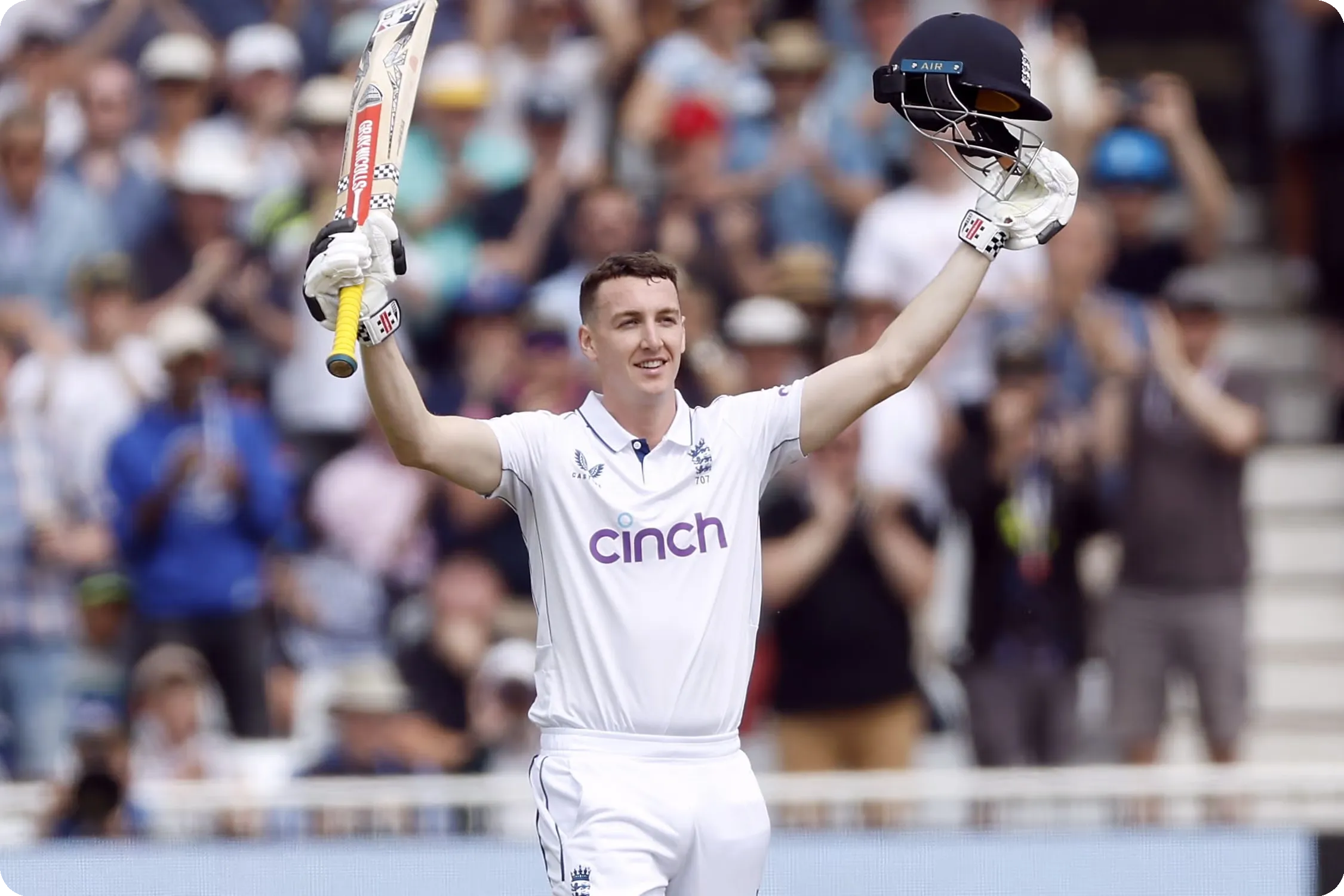
People often Google harry brook highest score as a shorthand for his ceiling. The single-innings peak matters, but so does the repeatability: the habit of converting. His international returns feature high-class knocks under pressure and rapid scoring streaks that flip match narratives in a session. Those aren’t just numbers in a database; they’re markers of temperament.
Playing Style and Strengths
Batting Technique and Approach
Brook’s technique starts with balance. He keeps a still head, a slight forward press, and fast, compact hands. He favors straight lines—especially early—so you’ll see him driving on the up with a full face. Against spin, he is decisive: he uses the crease, plays late, and trusts his range against length balls, either pressing forward to smother or rocking back to cut. When bowlers go short, his ride-the-bounce approach allows him to roll the wrists or climb into the pull without falling away.
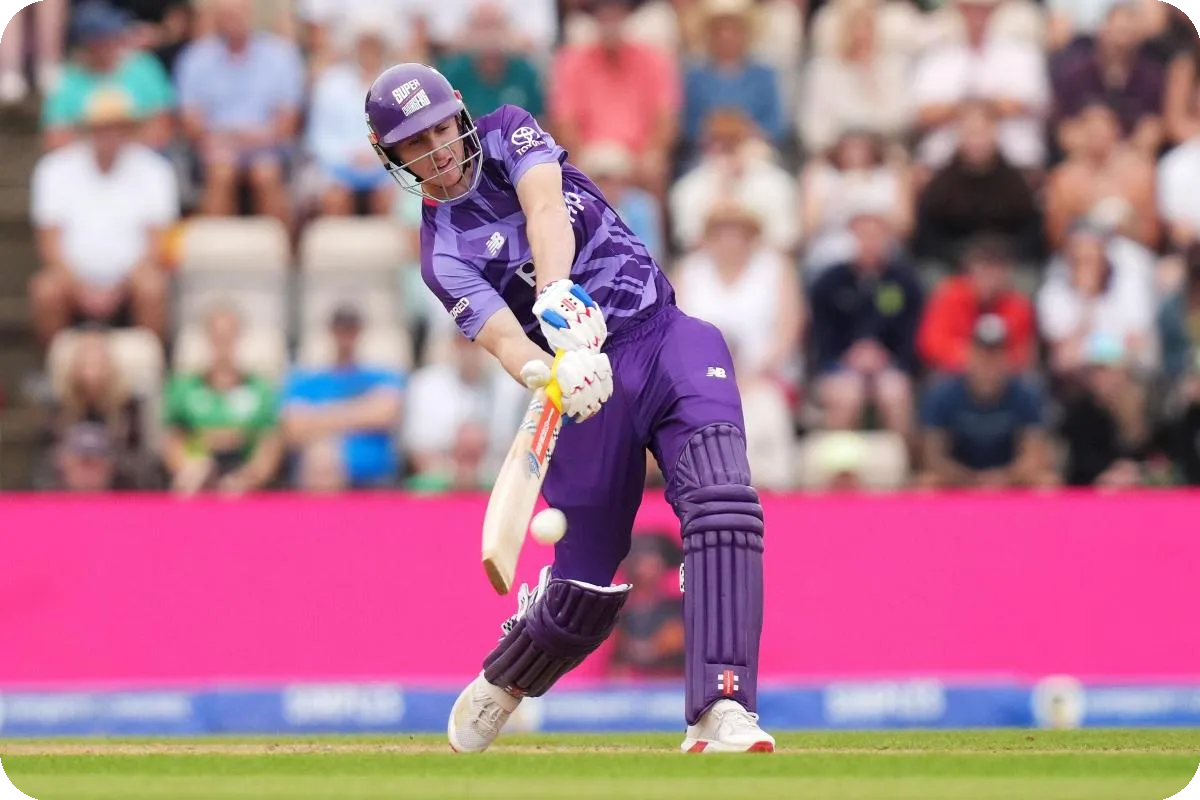
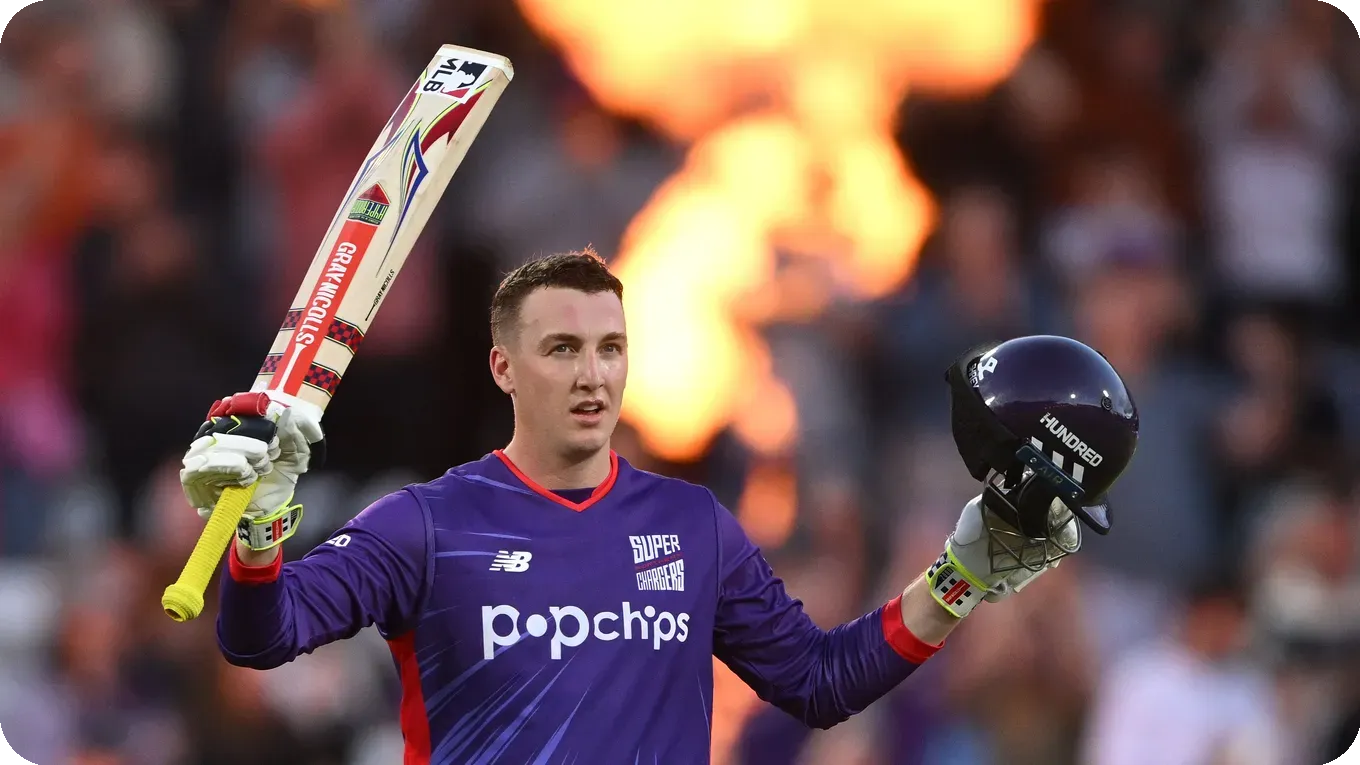
Strategically, he builds from a platform of risk control. The aim is to get to 20 with minimal fuss, then stretch into scoring pockets: wide mid-off, square cover, and the pick-up over midwicket. This sequencing works across formats; it’s why harry brook cricket rarely looks frenetic. He is assertive without being reckless, which is why coaches love penciling him in for pivotal roles. That clarity also explains his franchise appeal and the steady upward curve in harry brook stats across seasons.
Fielding Skills and Versatility
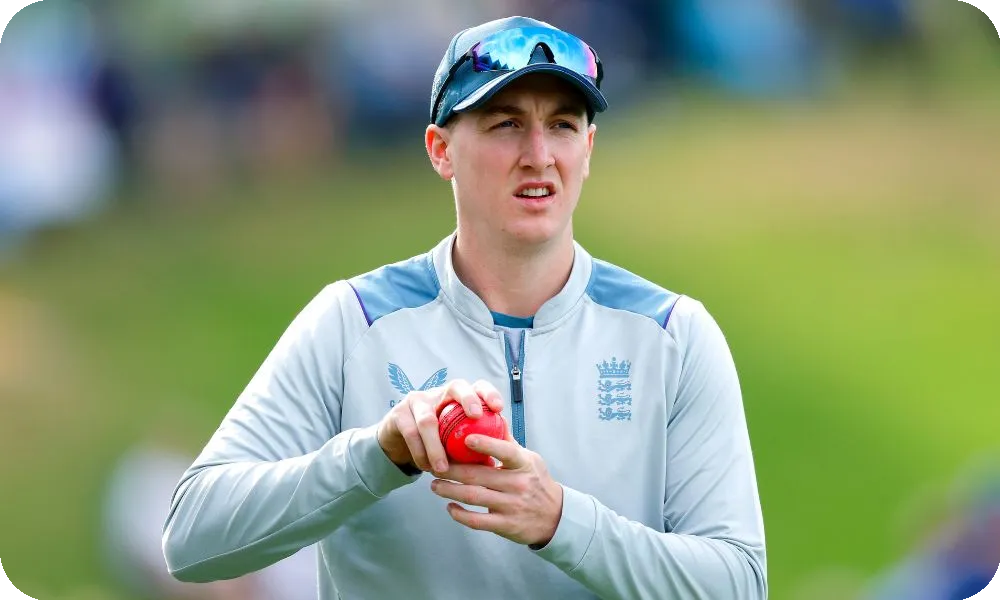
Brook is a reliable catcher in the ring and safe under the high ball. He moves well laterally, attacks ground balls cleanly, and throws flat from the deep. That versatility helps selectors: he can field inside during powerplays or track boundary angles late. He’s also a good communicator—something that often goes unnoticed but matters in T20 endgames. You’ll rarely see a lapse in intensity; even on quiet days, his fielding helps tilt margins.
As for the physical profile that fans sometimes ask about, searches for harry brook height in feet typically quote him around the six-foot mark (about 1.83 meters). He uses that frame efficiently—compact at the crease, strong through the core, and quick enough between the wickets to turn ones into twos.
Off-the-Field Life
Family and Personal Interests
The phrase harry brook family often trends when he has had a big series or when the team returns from a long tour. He tends to keep that side of his life relatively private, focusing public attention on performances rather than profiles. The curiosity extends to harry brook relationships and harry brook wife; fans want to map the human behind the batter. Brook’s approach has been to share selectively—celebrating moments without turning his personal life into content. It’s a balance many modern athletes attempt: be visible enough to be relatable, guarded enough to protect what matters.
Away from cricket, he has the interests you’d expect from a Yorkshire-bred pro: time outdoors, time with family, and time resetting between intense competition cycles. He appreciates the rhythms of home life after months of hotels and airports. That reset is critical for sustaining the harry brook career through long calendars and back-to-back series.
Charity Work and Community Involvement
Brook’s community footprint reflects his roots. Yorkshire academies and local clubs often feature in his off-season visits, and he’s been a visible supporter of junior pathways. You’ll see him lending his name to grassroots initiatives, auctioning signed gear for causes, and turning up at local sessions to inspire the next generation. None of this shouts for attention, but it adds to the picture of a professional who understands what the game gave him and wants to return the favor.
Legacy and Future Goals
Contribution to English Cricket
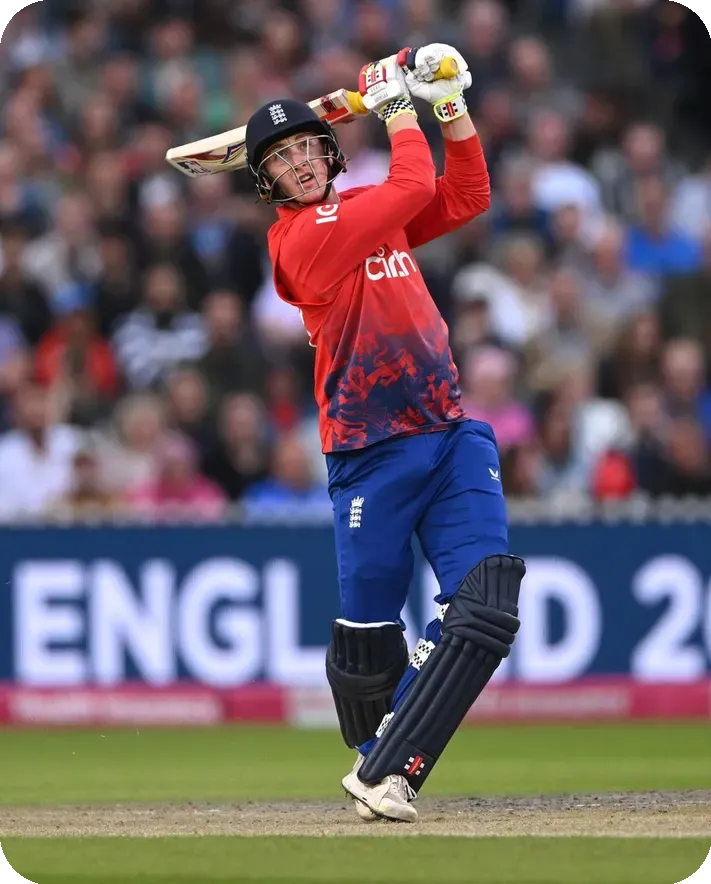
Brook’s contribution to English cricket is already substantive. In the Test arena, he has become emblematic of a certain style: positive, unafraid, and willing to turn a good day into a match-deciding one. That ethos has energized the dressing room and given selectors flexibility in constructing a proactive middle order. In limited-overs cricket, his value lies in adaptability—shifting gears seamlessly depending on whether the team is 30-3 or 230-3.
More broadly, the sports career of harry brook is a case study in how strong county systems can prepare players for modern demands. He’s comfortable playing three formats, switching balls and lengths, and facing high pace one week and high skill the next. That versatility is the currency of the modern international pro. Young batters studying harry brook stats won’t just see runs and averages; they’ll see indicators of decision-making, intent windows, and phase awareness.
Aspirations for the Coming Years
Ambition is straightforward: keep winning sessions for England, keep improving decision density, and keep adding match-winning hundreds. There are personal targets too—more away series consistency, better first-innings conversion in tough conditions, and a thicker portfolio of white-ball finishing acts. In franchise circles, he will continue to refine his T20 role: sometimes an anchor with gears, sometimes the accelerator from ball one. Each season brings new data; each tour brings new adjustments.
It’s also about legacy: mentoring younger batters, setting standards in preparation, and being the kind of senior pro who lifts the training floor. If the next five years show an even steadier climb, we’ll talk about harry brook career in the same breath as England’s most reliable multi-format batters.